Begin with service, not a product
A business building is expected to provide a usable environment: safe light, suitable temperatures, fresh air, and access for staff, visitors, stock, or production. An efficiency measure should preserve the service that matters. Before looking at a product, describe the room, its purpose, when it is occupied, and what people experience there.
Walk through the site at different times of day. Note rooms that are consistently too warm or too cold, lights operating in empty spaces, sunlight that causes glare, and areas where doors remain open during heating or cooling. Ask staff what is difficult to manage. A short record over several representative days can reveal patterns that a one-time visit misses.
Check the building fabric
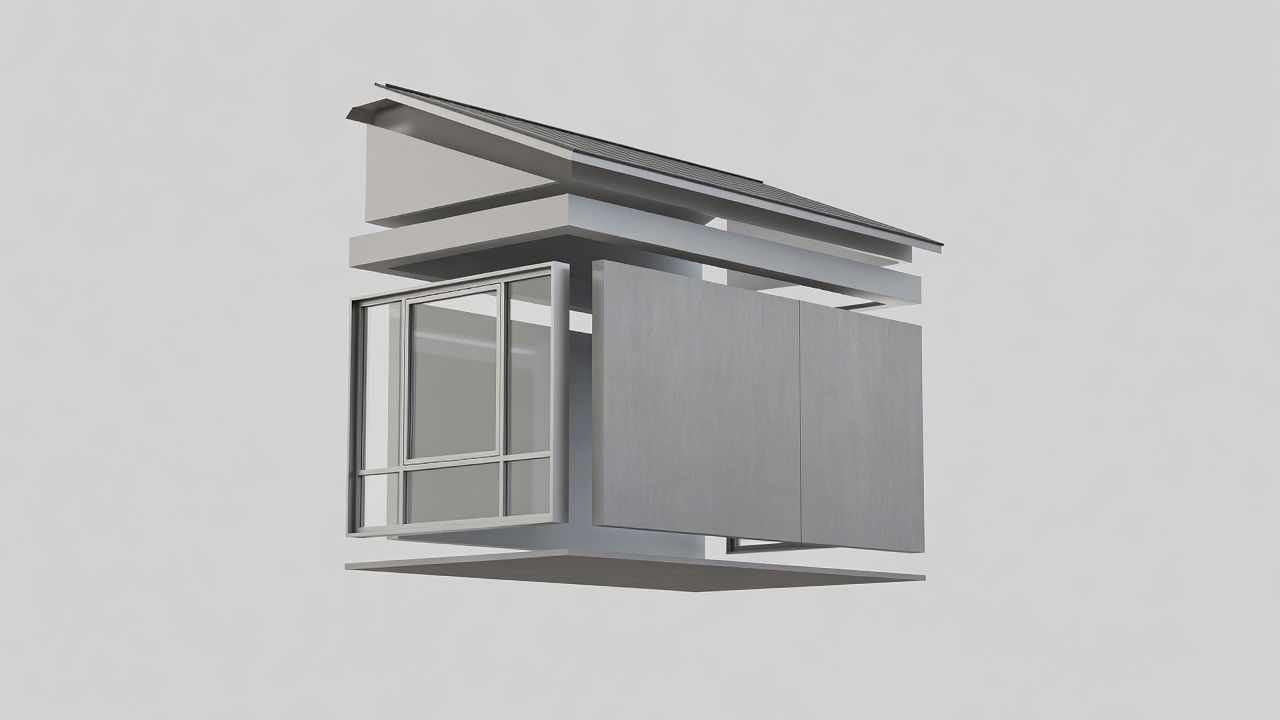
Inspect obvious sources of avoidable heat loss or gain: damaged door seals, gaps around service penetrations, poorly fitting windows, and roof or wall areas that merit professional review. Keep water ingress, ventilation, fire safety, and structural condition in view. Sealing a building without understanding its ventilation needs can create moisture or indoor-air problems; an appropriate assessment is important where the work is more than routine maintenance.
Insulation and glazing projects vary widely in feasibility. Existing construction, ownership or lease arrangements, heritage restrictions, access, and disruption can affect the options. Gather drawings and maintenance records if available. Ask a competent building professional to assess compatibility, workmanship, condensation risk, and relevant local requirements before committing to intrusive work.
Heating, cooling, and comfort
Look for mismatches between the occupied schedule and heating or cooling schedules. Check thermostat locations, setpoints, zone boundaries, and whether controls are being overridden. A sensor near a draught, radiator, direct sun, or heat-producing equipment may not represent the room as a whole. Compare temperature readings in several locations and at different times rather than making changes based on a single complaint.
Regular maintenance helps systems operate as intended. Filters, coils, pumps, valves, and distribution components may need cleaning or service according to manufacturer guidance and site conditions. Maintenance is not a substitute for replacement where equipment is failing, but it can clarify whether a performance problem is caused by a fault, poor control, or an undersized system.
Make lighting fit the task
Lighting decisions should consider task requirements, uniformity, glare, colour quality, controls, and maintenance access. A lower-wattage lamp is not automatically a suitable replacement if the fitting changes light distribution or creates dark areas. Review the full installed system, including drivers, compatibility, emergency lighting needs, and disposal of old equipment.
Occupancy sensors can help in intermittently used rooms, while daylight-responsive dimming may be relevant near windows. Test settings with the people who use the space. Short time delays or poorly placed sensors can frustrate staff and lead to manual overrides; these are operational issues to identify during commissioning.
Compare options with evidence
For each building measure, write down the observed issue, affected area, current operating pattern, likely remedy, and what must remain unchanged. Request clear scope and assumptions from contractors. Ask how disruption, access, commissioning, maintenance, and performance verification are handled. Estimates should state their basis and uncertainty; they are not guaranteed outcomes.
Where a business rents its premises, discuss responsibility and approvals with the landlord early. A technically attractive improvement may not be practical without agreement. Consider whether a smaller repair, schedule adjustment, or trial could answer the key question first.
Comfort is not a side effect to trade away; it is part of the building service being managed.
Use the planning worksheet to compare building opportunities with equipment and control actions. If you are unsure about building safety, indoor air, electrical work, or system design, seek appropriately qualified local advice.